
Seven-Seat EVs That Qualify for the FBT Exemption in Australia
TL;DR
No. Plug-in hybrids stopped qualifying for the electric car FBT exemption on 1 April 2025. It doesn't matter that they plug in, the rule only covers battery electric vehicles and hydrogen fuel-cell vehicles. There's one narrow exception: if a PHEV was already exempt before that date and there's a financially binding commitment that hasn't changed since, it keeps the exemption until that commitment ends.
If you're cross-shopping a plug-in hybrid against a full EV and wondering whether the FBT exemption applies to both, the answer is short: it doesn't. PHEVs lost eligibility on 1 April 2025 and there's no path back for a new arrangement today. Here's the detail, including the one case where an existing PHEV lease still qualifies.
The rule that rules them out
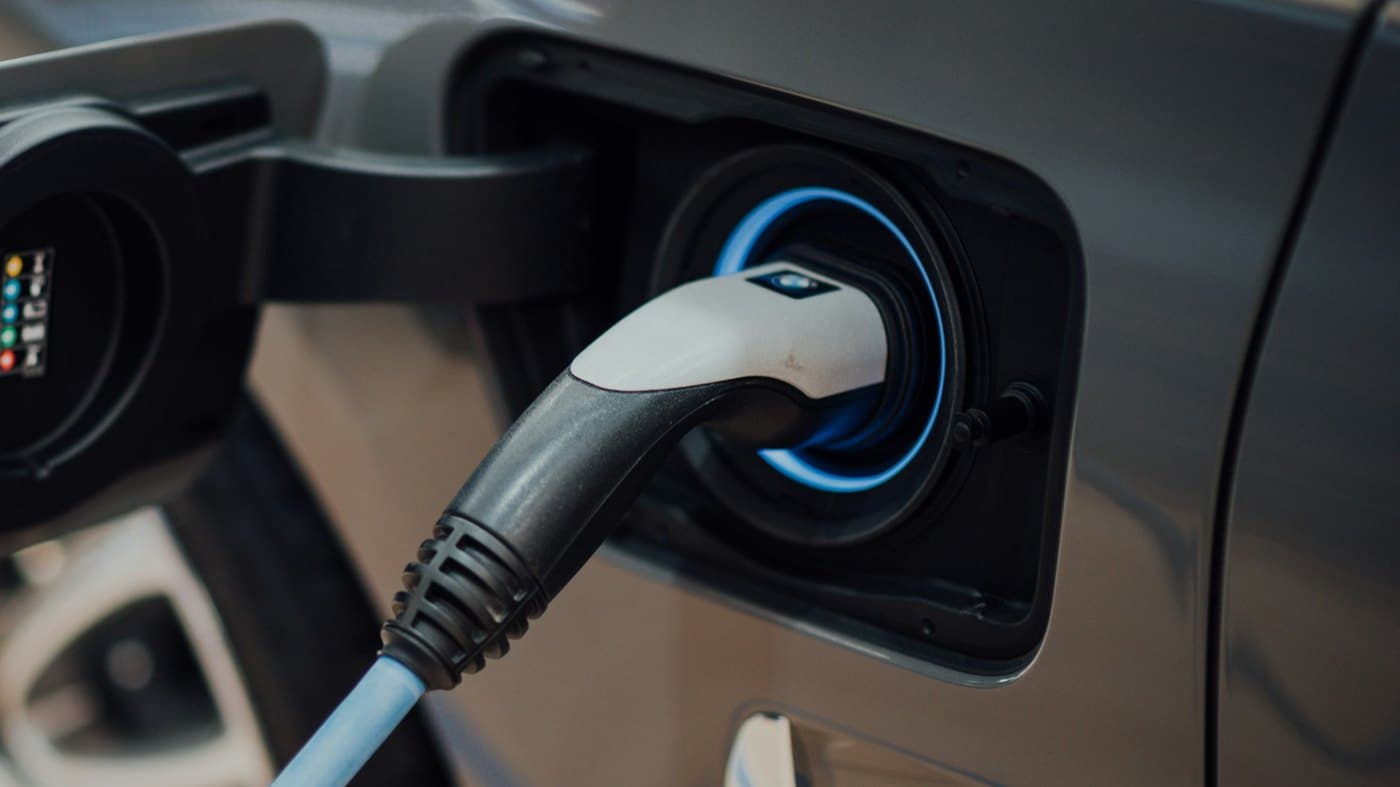
The FBT exemption applies to zero or low emissions vehicles, which the legislation defines narrowly: battery electric vehicles (BEVs) and hydrogen fuel-cell vehicles (FCEVs). That's the entire list.
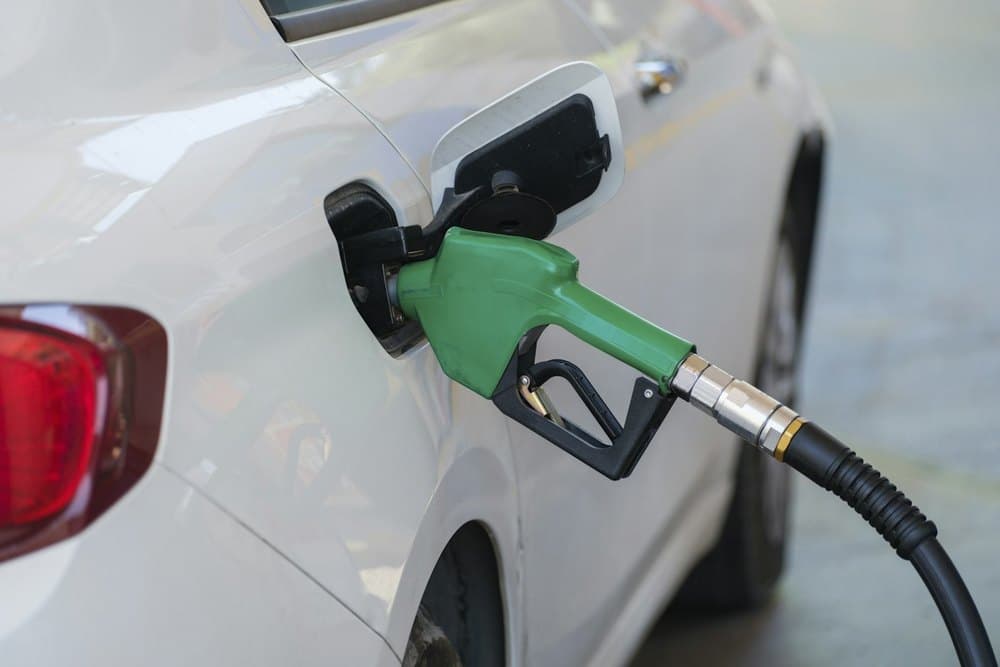
From 1 April 2025, a plug-in hybrid is no longer treated as a zero or low emissions vehicle for FBT purposes. Having a plug and an electric-only driving range isn't the test, and it never was. A PHEV still has an internal combustion engine, so it falls outside the definition regardless of how efficient it is or how much of your driving you actually do on battery.
This catches people out because a PHEV can look like the sensible middle option: electric commuting, petrol for the long trips, no range anxiety. It's a perfectly reasonable car to buy. It just isn't an FBT-exempt one.
The one exception: pre-existing arrangements
There is a transitional rule, and it's narrower than most people hope. A PHEV keeps the exemption only if both of these are true:
- Its use was already exempt from FBT before 1 April 2025, and
- A financially binding commitment was in place before that date to continue providing the car for private use on and after 1 April 2025.
A commitment counts as financially binding once there's an obligation to go ahead that can't be backed out of. If that commitment changes on or after 1 April 2025, the exemption stops from the date of the new commitment, so extending a lease, refinancing, or renegotiating terms will end it. Leaving the arrangement exactly as it stands is what preserves it.
Two things worth knowing if you're near this line. The ATO has no discretion to extend the 1 April 2025 date, including where a delivery ran late for reasons outside anyone's control, so a car ordered before the cutoff but delivered after it doesn't get relief on fairness grounds. And this transitional treatment doesn't transfer to a different car: replacing the PHEV means starting a new arrangement under today's rules, where it won't qualify.
What PHEV drivers get instead
Nothing special, which is the honest answer. A PHEV provided through a novated lease is now treated like any other non-exempt car: standard FBT applies, usually calculated under the statutory formula method at 20% of the car's base value.
That doesn't make a novated lease on a PHEV pointless. You still get the GST saving on the purchase price and running costs, and the packaging convenience of one bundled payment. What disappears is the large pre-tax benefit that makes EV novated leases stand out, because the taxable value no longer gets zeroed out. It's an ordinary salary-packaged car deal, not a heavily tax-advantaged one.
If the tax saving is what's driving the decision, that's the comparison worth running properly: an eligible BEV with the exemption against a PHEV without it. The gap is usually large enough to change which car makes sense. On a $110,000 salary over five years, a $60,000 PHEV costs about $68,800 in take-home pay, against about $47,800 for an exempt EV at the same price. What a hybrid or plug-in hybrid novated lease costs shows how those numbers work, and shows the EV side of that comparison for your salary and lease term.
So what does qualify?
Battery electric and hydrogen fuel-cell vehicles priced under the fuel-efficient luxury car tax threshold, around $91,661 for 2026–27, provided through an employer arrangement like a novated lease. That's the full test, and most mainstream EVs on sale today clear it comfortably.
Worth noting the separate $75,000 figure you may have seen: that one has nothing to do with whether a car is eligible at all. It only affects how much exemption would remain once the announced Phase 2 begins on 1 April 2027, if the change becomes law.
More on the FBT exemption
Which EVs qualify for the FBT exemption covers all three eligibility rules in full, our overview of the 2027 changes explains what happens to the exemption from Phase 2 onwards, and the cheapest FBT-exempt EVs under $75,000 lists eligible models with real prices if you're now looking at full EVs instead.
This is general information, not tax advice. The transitional rules in particular turn on the specific terms of your arrangement, so check your own situation with a tax professional before relying on it.